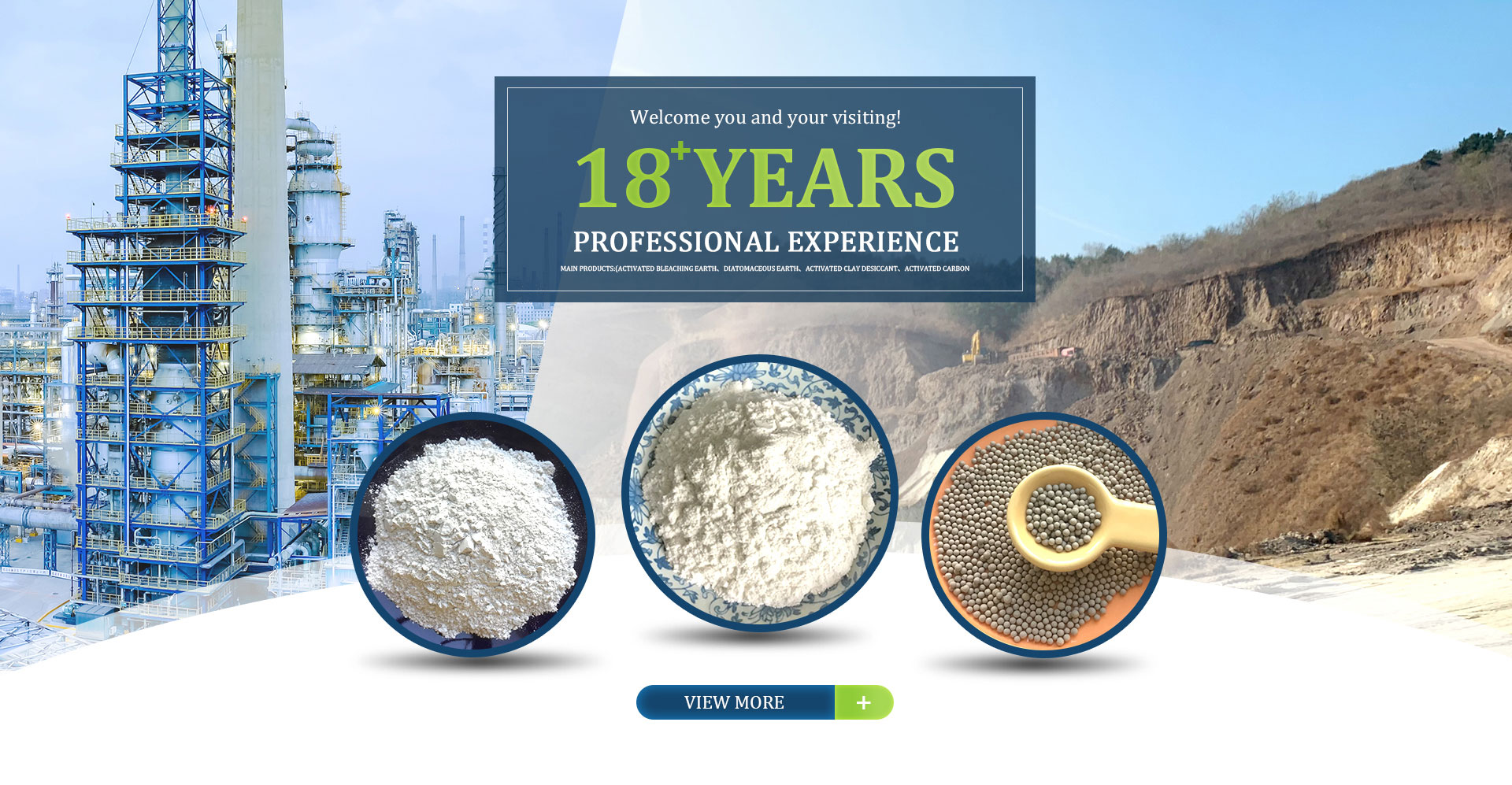
StartingDiatomite filter aid acts as superior clarifying agent extensively adopted in various industrial processes, particularly within drink processing. Originating from the fossilized remains of microalgal fossils, it holds a unique mesh-like layout that enables effective particle removal. Such substance acts by creating a translucent cleansing layer on a filtering diatomite filter aid module, absorbing finely suspended solids while permitting liquid flow. Picking the correct variety of porous silica product is crucial for highest yield.
Mobilizing Filtered Sediment Soil for Refinement
Silica-rich powder, composed of the fossilized remains of microscopic algae called diatoms, presents a uncommon method for cleansing various compounds. Its structure, a fine network of silica shells, provides an incredibly large surface area. This supports for highly potent removal of sediments from aqueous systems. Employments range from liquid purification and vintage development to leisure water clarifying and even farming processes. Strengths include its earth-derived origin, reasonable price compared to some synthetic alternatives, and its proficiency to reliably hold a broad set of undesirables.
- Delivers superior particle removal.
- Functions as a green choice.
- Appropriate for broad businesses.
Processed Bleaching Layer: Features and Applications
Upgraded bleaching material is a type of organic montmorillonite that has undergone exclusive modification to enhance its capturing potential. This strategy typically involves catalytic conversion, resulting in a enhanced structure with a ample surface area. Consequently, it exhibits notable power to isolate colored compounds from a substantial selection of composites, finding important tasks in the bleaching of fatty substances, oils, and other natural substances. What’s more, its safe trait and affordability contribute to its enhancing popularity in various markets.
Diatomite in Comparison with Various Filter Agents
Selecting the optimal screening component for a specific process can be challenging. While zeolite and other variants exist, diatomite usually presents a strong case for its dominance. In comparison to these competitors, diatomite frequently offers amplified purity and an increased velocity of eliminating solids. However, this superior choice ultimately rests on parameters such as pricing, process requirements, and preferred output class.
Scientific Principles of Diatomite Filtration
Microshell earth or recognized as mineralized sediment filtration or filtering leverages the unique special structure of such microscopic minuscule algae fossils. These aforementioned diatoms, upon subsequent to death, form assemble a sedimentary natural rock layer composed put together of intricately precisely porous reticulated silica silicate shells. This named porous meshed network fabric provides an incredibly astoundingly large expanse for holding particulate dimensionless matter elements from between liquids moist environments, achieving encouraging highly profound accurate filtration distinguishing.
Amplifying Purification Performance Through Activated Clay
Augmenting said clarifying operation through processed earth presents a viable tool for elevating capacity. Such sustainable material, derived from ground, possesses outstanding holding qualities that allow it to effectively strip pigmented pigments from garments, thereby diminishing reliance on harsh artificial ingredients and enhancing a greater output.
Recognizing differences in Diatomite Grades
Determining the suitable filter aid rank is necessary for efficient refining processes. Silica media grades are arranged by their grain size, ordinarily expressed in size units. More precise grades, like FF or Filter-X, offer excellent distance vision and are fitting for thin liquids, while thicker grades, such as Perlite or Celite 500, provide a increased flow rate for lower applications. Understanding these contrasts will help you to boost your purification effects and curtail expenditure pertaining with the method.
Eco-conscious Sourcing of Diatomaceous Earth
The swelling demand for microfossil powder earth necessitates a consideration on renewable sourcing methods. Traditional digging often demands significant ecological disturbance and can damage vicinal ecosystems. Now, forward-thinking corporations are inquiring alternatives, such as rehabilitation of exploited sites, ensuring restricted disruption and conserving species variety habitats. Furthermore, honesty in the supply is evolving crucial, allowing end-users to establish informed decisions and encourage environmentally responsible procedures. As such, responsible stewardship of siliceous sediment earth reserves is vital for lasting availability and minimal environmental ramifications.
- Diminished land interference.
- Revitalization of collection sites.
- Improved traceability in the chain.
Refined Clarifying Layer: A Empirical Interpretation
Analyzing a chemical standpoint, processed decolorizing material represents a particular class of silicate minerals. At first, illite sediment is biochemically modified via conditioning – typically involving oxidative procedure – to dramatically elevate its binding features. These conditioning creates a vast interface with a significant number of negatively charged positions, facilitating the binding of pigmented impurities from liquids. The interaction principally involves molecular attractions and secondary bindings, leading to a clearer performance.