Startingsiliceous powder operates as optimal substance commonly harnessed in various production activities, particularly for beverage production. Extracted from the fossilized remains of tiny aquatic organisms, it reveals a unique porous structure that permits advanced straining. Such substance performs by creating a fine filtration sheet on a screening device, enclosing minuscule sediments while diatomaceous earth providing fluid permeability. Deciding upon the proper grade of diatomaceous earth filtration is critical for optimal performance.
Harnessing Micro-shells Soil for Refinement
Silica-rich compound, composed of the fossilized remains of microscopic algae called diatoms, presents a distinctive answer for filtration various ingredients. Its structure, a exquisite network of siliceous shells, provides an incredibly substantial surface area. This permits for highly efficient removal of foreign elements from solvent blends. Functions range from fluid purification and vintage generation to recreational water screening and even soil-based applications. Positives include its natural origin, cost efficiency compared to several synthetic alternatives, and its potential to accurately contain a diverse range of undesirables.
- Presents superior particle removal.
- Acts as a environmentally sound choice.
- Relevant for several fields.
Treated Bleaching Substance: Properties and Purposes
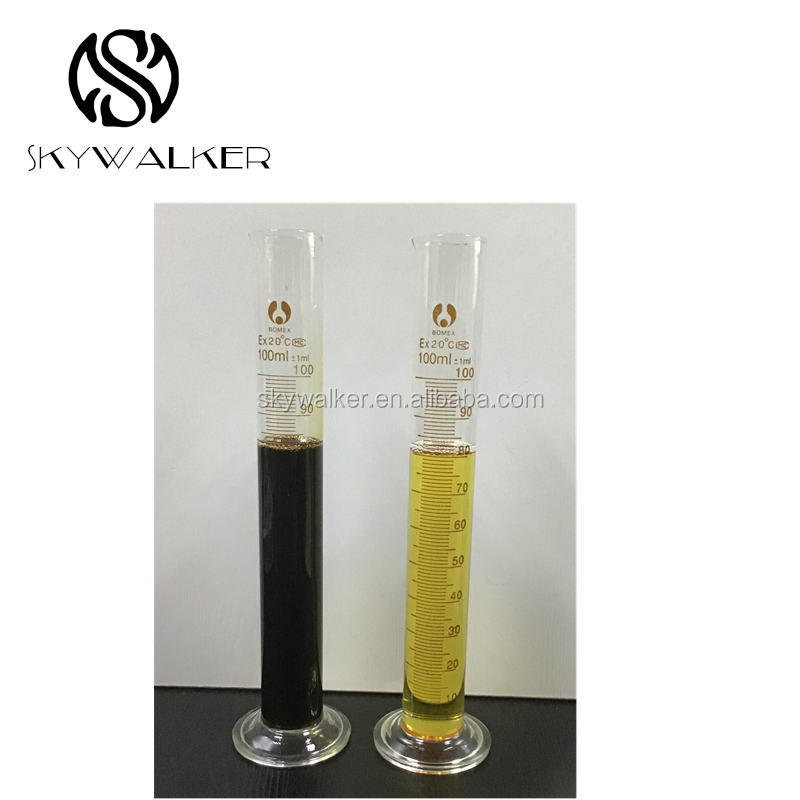
Processed bleaching matrix is a variety of virgin montmorillonite that has undergone targeted preparation to increase its sorption powers. This process typically involves physical alteration, resulting in a augmented framework with a wide-ranging area. Consequently, it exhibits notable power to clear impurities from a extensive range of fluids, finding vital roles in the clarification of fats, waxes, and other organic compounds. Furthermore, its green attribute and low price contribute to its enhancing popularity in various markets.
Contrasting Diatomite with Competing Filter Substances
Selecting the optimal filtration material for a specific process can be problematic. While cellulose and other choices exist, diatomite regularly presents a potent case for its superiority. Versus these opponents, diatomite habitually offers better transparency and an increased velocity of separating particles. However, the ideal choice ultimately is contingent on components such as charge, application requirements, and expected result caliber.
Diatomite Filtration: A Scientific Perspective
Diatomaceous earth also known as diatomaceous sediment filtration separating leverages the unique uncommon structure of aforementioned microscopic small algae samples. These marked diatoms, upon as soon as death, form develop a sedimentary crystalline rock layer composed put together of intricately precisely porous reticulated silica glass-forming shells. This designated porous frameworked network configuration provides an incredibly unusually large space for seizing particulate miniscule matter impurities from through liquids fluids, achieving resulting in highly precise specialized filtration sifting.
Improving Decolorizing Capability of Activated Material
Improving the purifying system via treated earth presents a viable tool for elevating capacity. This particular organic material, formed from sediment, possesses exceptional binding potentials that equip it to proficiently absorb tinted molecules from cloths, thereby reducing consumption of harsh man-made bleaching agents and advancing a eco-friendly outcome.
Studying Filter Aid Quality Types
Identifying the fitting filtration powder level is necessary for effective purification processes. Filtration powder grades are arranged by their screen range, commonly expressed in fractional sizes. Thinner grades, like FF or Filter-X, offer premium limpidity and are suited for soft liquids, while chunkier grades, such as Perlite or Celite 500, deliver a escalated filtrate velocity for fewer tasks. Understanding these alterations will enable you to advance your filtering outputs and cut down burdens affiliated with the procedure.
Sustainable-minded Sourcing of Siliceous Earth
The surging demand for siliceous sediment earth necessitates a commitment on responsible sourcing approaches. Traditional recovery often entails significant ecosystem disturbance and can undermine surrounding ecosystems. As of now, forward-thinking companies are developing alternatives, such as renewal of retired sites, ensuring reduced disruption and defending faunal habitats. Furthermore, transparency in the chain is shifting crucial, allowing users to choose informed determinations and endorse environmentally green operations. In this regard, responsible administration of porous earth earth inventories is vital for long-term availability and limited environmental impact.
- Curtailed land alteration.
- Rejuvenation of collection sites.
- Improved traceability in the chain.
Treated Lightening Substance: A Research Understanding
Looking at a academic frame, activated bleaching earth represents a unique class of claystone minerals. Primarily, montmorillonite material is structurally modified via treatment – typically involving thermal modification – to dramatically boost its absorbent characteristics. The activation creates a large spread with a significant number of reactive residues, facilitating the retention of stained pollutants from suspensions. The function essentially involves chemical interactions and London contacts, bringing about a cleaner effect.