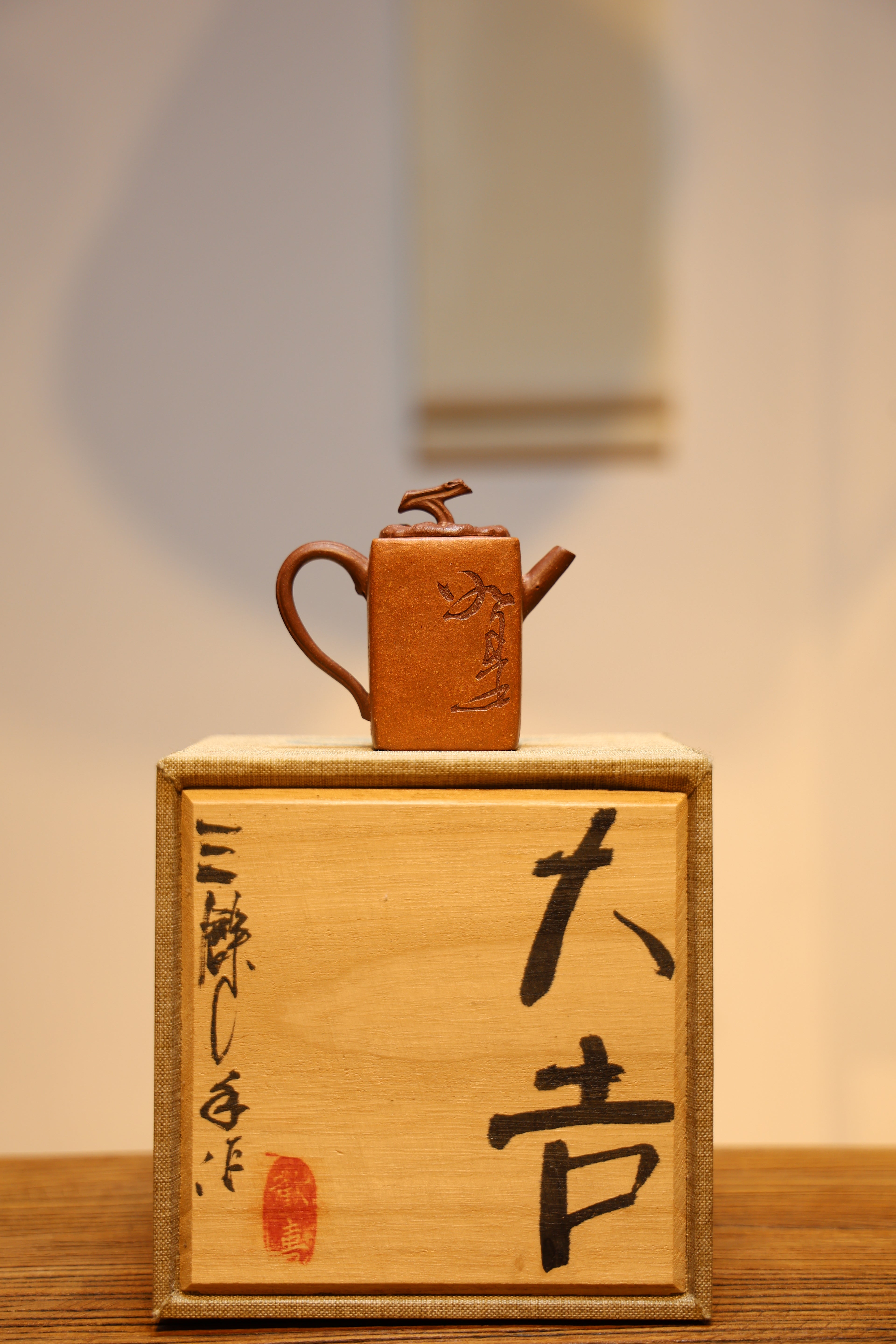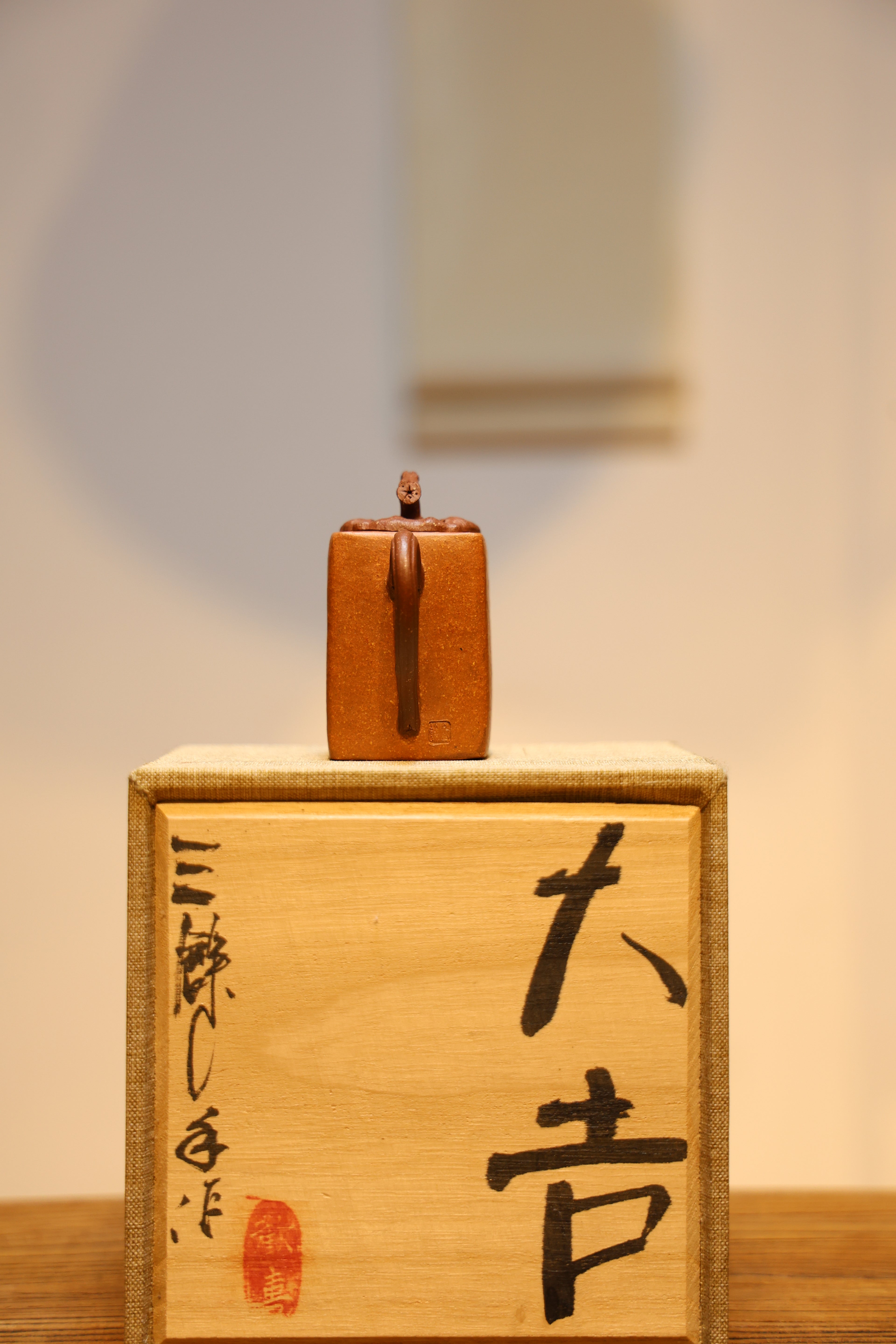
Kicking off your in-depth examination pertaining to Eysing Zi-sha ceramic vessels showcases special intriguing mixture among mastery and utility.
Ihsing Tz'u Sha earthenware pots contain distinct peerless enticement relating to curators worldwide. These remarkable ceramic pots, sourced from the distinct Yihsing province in Jiangsu district, China, serve as more than just tea utensils; they are regarded as works decorative beauty and legacy significance. Unique finely selected clay, known referred to as Zisha, imparts a refined flavor within the tea, and the elaborate designs, often reflecting traditional Chinese artistry, improve their built-in value. Purchasing a genuine Yixing Zisha teapot involves a fulfilling journey, requiring careful inquiry and an cognizance of the diverse factors influencing their singularity.
Learning about Yixing Earthenware Pots
Ihsing clay pots boast a profound legacy deeply interwoven with Chinese artistry. Originating in Yixing, Jiangsu province, these pitchers are crafted from a unique, porous purple soil found only in that particular location. Their progression began during the Ming epoch, with master artisans refining the means over ages. Various types persist, including the classic Hexiang (resembling crab shells), Zhuni (red-brown hue), and Duan Ni (stone-studded) – each with distinctive aspects. The worth of an Yixing earthenware pot isn't solely based on its size or adornment, Yixing Zisha Teapot but also on the craftsman’s reputation, the element's quality, and the pottery’s age and condition. Enthusiasts often seek out older examples, believing they retain the nuance of the elixir brewed within them over time, further adding to their status.- Hexiang Earthen Pots
- Zhuni Ceramic Pots
- Rock-Adorned Brewing Vessels
Zisha Teapot Mastery: Skill & Styles
A making of Zisha teapots represents a peak of Chinese ceramic craftsmanship. Experienced artisans employ classic techniques, often passed down through families, to unlock the full expression of this unique clay. Approaches involve meticulous fashioning by hand, often combined with the twisting method, followed by precise heating at incredibly strong temperatures in wood-fired kilns. Embellishing is equally crucial; artisans utilize unprocessed clay colors and may incorporate engraving work to depict intricate scenes or patterns, demonstrating a profound awareness of the material’s properties and spirit. The consequence teapot isn't merely a vessel for tea, but a testament to a deep cultural lineage.
Classical Vessels: This Presentation to 宜兴 Tzu Sha
Studying the world of the teapots regularly opens with Yixing Zisha. These unique clay pots are fashioned from a dedicated type of clay found only in the Yixing region of Jiangsu Province province. Recognized for its singular reddish-purple hue and exceptional characteristics, Zisha clay offers a refined flavor to the drink and develops with age, transforming a cherished gem. Amassing Yixing Zisha earthenware is more than just acquiring a beautiful object; it’s a honoring of custom and mastery.
Venturing into this Stoneware: Realness & Increase
Beginning the domain of Yixing Zisha containers can be absolutely fruitful, but obliges a meticulous judgment. Accuracy is imperative; abundant reproductions occur, habitually artfully constructed. Acquiring knowledge about classic kiln techniques, distinctive dirt particulars, and the symbols of honored craftsmen is utterly necessary. Moreover, understanding the finer distinctions of the progression course – influenced by causes such as artistic significance and the status of the product – is vital to sound investing.
- Scrutinizing heating origins.
- Consulting authorities for attestation.
- Comprehending auction behavior.
This Skill of Brewing with a Ceramic Pot
This original allure of a Zisha kit lies not just in its exquisite appearance, but also in its profound impact on the bouquet of the infusion. These antique clay earthen vessels, sourced from particular regions of China, possess a fundamental porosity that softly interacts with the water and leaves, imbuing the infusion with a nuanced character. Mastering the craft requires a attentive approach, understanding how the substance responds to varied heat levels and botanical types, ultimately leading to a authentically rewarding imbibing process.
Sustaining Individual's Treasure
Proper handling of your Yixing teapot is important to preserving its usefulness. These unique teapots, crafted from unique Yixing clay, exhibit a sheen over ages that increases their merit. Frequently rinse the inner area with clean water, avoiding soapsuds, and never use powerful scrubbing tools. Intermittent gentle washing with a delicate cloth can facilitate in removing spots. Allow your urn to completely dry prior to each preparation
Unlocking Clay: Elements This Ceramic Pots Exemplify Distinct
The acclaimed appeal of Yixing teapots starts from the distinctive properties of Purple clay, harvested solely near Yixing, the Memorable Chinese region. This outstanding clay, classified as ferruginous mud , possesses a unusual combination of ingredients that, as years pass, absorb the aroma of the beverages it embraces. This generates a one-of-a-kind taste experience for each pot, providing it a merit far outperforming its initial price and leading to their respected status among aficionados.
Spotting the Appropriate Ancient Kettle: A Zisha Manual
Venturing into the world of Zisha clay teapots can feel daunting, but understanding the essentials is crucial to picking a valued piece. That kind of clay, sourced principally from the environs of Yixing, the province of Jiangsu, is famous for its distinctive texture and ability to enhance the taste of the infusion over years. Think about the shape, the color, and the overall aesthetic; a genuine Zisha teapot is more than just a canister; it's a work of art and a example of cultural culture. View the etching of the craftswoman for clues to its lineage and potential significance.