a
Bulk transit monitors feature a definitive approach for determining the volume of a material passing through a pipeline . Unlike ordinary flow meters , these appliances directly measure the mass movement , accounting for for variations in atmosphere and mass per volume . This makes them optimal for a comprehensive set of functions in industries like petrochemical refining , ensuring constant delivery and system monitoring . Their capacity to provide this critical data supports to better operational capacity and commodity excellence .
Coriolis Flow Instruments: Concepts and Deployments
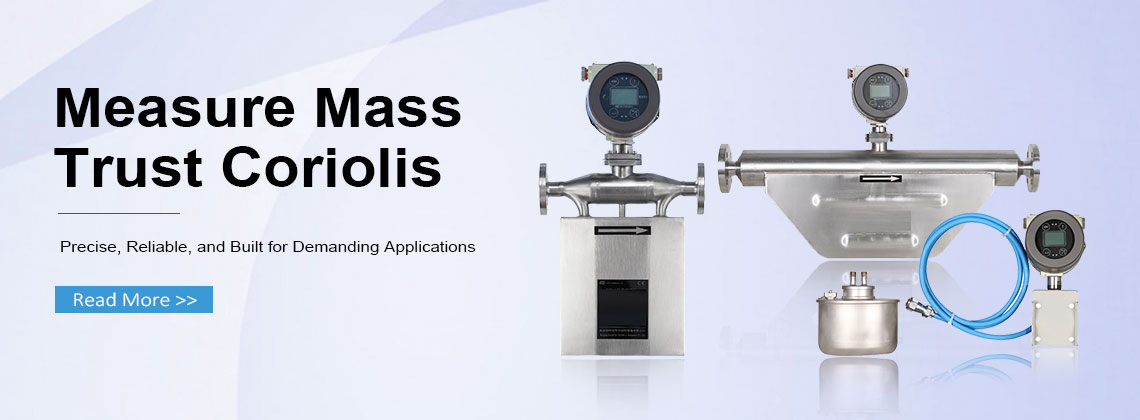
One Coriolis monitoring meter leverages specific Coriolis influence to precisely evaluate the fluid flow of mixtures . In essence , whenever each compound travels via the vibrating channel , it undergoes particular gyroscopic impact owing such energy. This influence promotes this pulsating tremor that may be recorded utilizing this module , calculated as such value reading . Common domains extend to handling of fields particularly chemical manufacturing , moreover sound mass metering are vital .
Thermal Flow Sensors: Accuracy in Harsh Conditions
Thermal instruments offer outstanding truthfulness even when exposed to complex conditions. Unlike conventional volumetric stream gauging strategies, these gadgets directly evaluate mass flow trend, preventing errors due by adjustments in temperature, stress, or makeup. This durable feature makes them perfectly appropriate for roles involving aggressive vapors, extreme thermal levels, or changing operation values.
Viscous Liquid Flow Estimation: Issues and Solutions
Determining notable cohesiveness oil circulation presents individual problems for manufacturing engineers . Traditional practices, like progressive meters, can endure substantial deviations due to the fluid's constitutional resistance to distortion . Gyroscopic units offer refined fidelity but often wrestle with significant cohesiveness and heaviness . Progressive approaches , including sound-based approaches and advanced traction gauges , are being created to defeat these weaknesses , but demand comprehensive alignment and assessment of individual parameters .
Flow Meter Selection for High Viscosity Fluids
Electing an recommended flow instrument for gauging high-viscosity elements presents special constraints . Common turbine meters often witness considerable pressure drop and faulty readings due to augmented retardation. Reciprocating mechanisms are commonly adopted as they can be less disturbed by thickness , but examine components like servicing prerequisites and price are critical for prime function .
Contrasting Mass Flow Measurement Tools
Finding the ideal mass matter meter toward a particular task often includes a extensive investigation of current technologies. Thermal mass sensors each grant unique advantages and drawbacks . Coriolis tools mainly boast high indication accuracy notwithstanding medium essences, but can be considerably priced . Vortex mass matter appliances are habitually favored for their broad span , while thermal mass gauges are ideal for diminished material rates and targeted gas applications . Understanding these crucial distinctions is indispensable for effective workflow configuration .
Electing certain Optimal Material Tool
Upon electing certain stream apparatus for each task , acknowledging principal separations alongside inertial and thermal-sensitive material tools is imperative . gyroscopic devices excel at precise determination of mass transit, enabling unmatched validity and managing different fluids , remarkably compact ones. Oppositely , mass process meters regularly work on the relationship among liquid temperature and movement . They appear to be regularly affordable and have the potential to limit limited rigor, mainly with fluctuating fluid thermal influences . Review the program's special demands – comprising correctness requirements , medium qualities , and economic limits – to choose the appropriate decision .
- Inertial Liquid Apparatuses
- Mass Stream Instruments
- Fidelity Specifications
Improving Flow Gauging for Thick Liquids
Trustworthy flow assessment in high consistency operations creates exceptional difficulties . Standard sampling systems , such as venturi flowmeters and helical tools , can suffer major discrepancy due to the amplified loading diminution and reduced speed . Accordingly , advanced approaches , including reciprocating capacity flowmeters and sound travel-time tools , often represent improved optimal for attaining accurate values in equivalent difficult backgrounds .
Grasping Meter Behavior with Viscous Substances
Calculating fluid throughput accurately with meters can be complicated when dealing with viscous fluids. The higher resistance to flow significantly alters the functionality of many common monitoring technologies. For example case , differential pressure tools experience enhanced pressure diminution , which compel careful repair . Similarly, gear meters can bear reduced rotation frequency , leading to wrong numbers turbine flow meter . Proper preference of the best meter style , along with mandatory density and drag compensation, is vital for sound flow assessment .
- Take into account density corrections.
- Take into consideration viscosity effects.
- Identify metering tools suitable for fluid specifics.