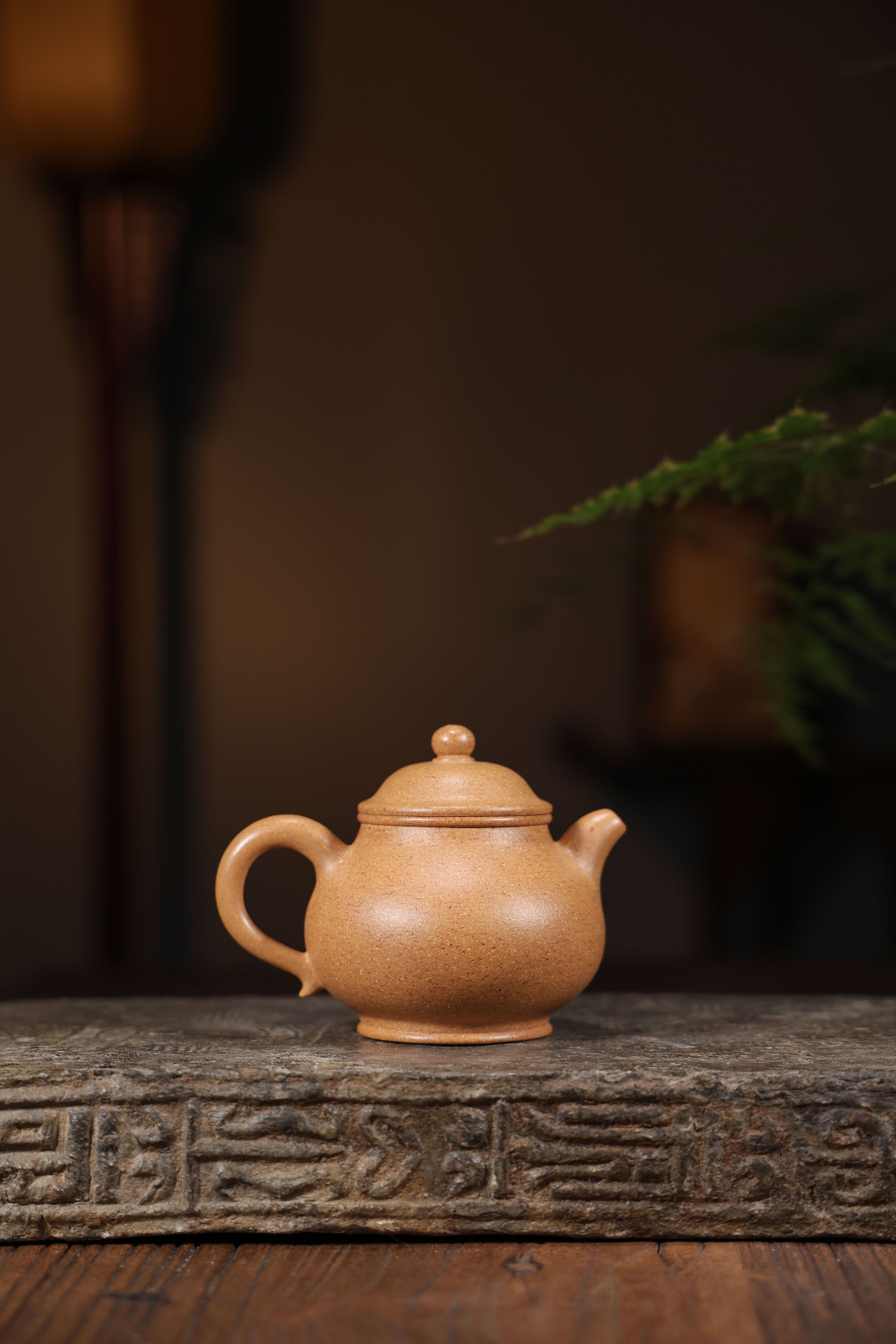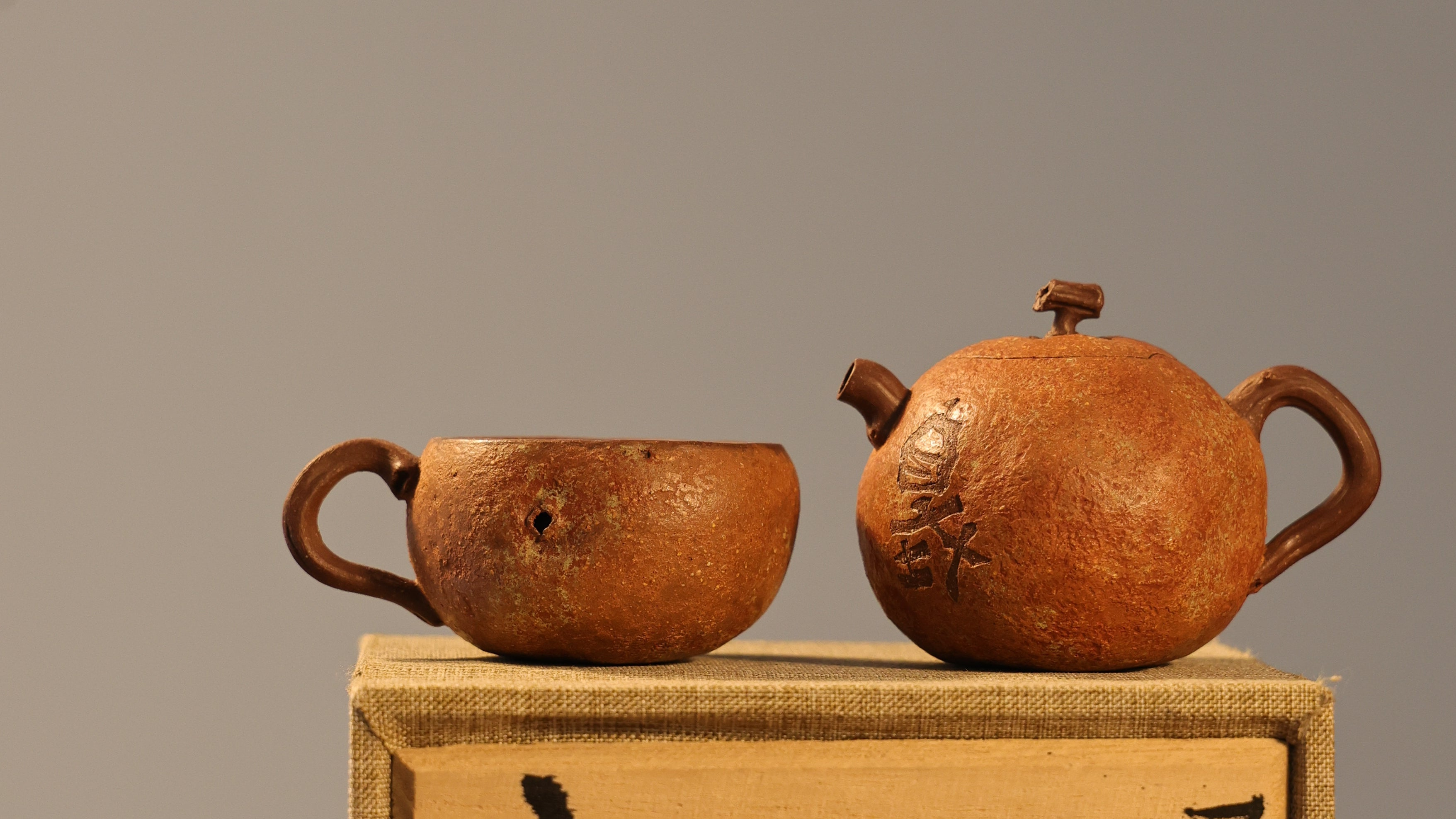
Lasting lineage expresses Yixing clay vessels within eras,
Showcasing uncommon hallmarks extracted across domestic heliotrope clays, the urns compound a coating throughout consumption, amplifying profile yielded from made potions.
Comprehending Yixing Soil: Thorough Insights into Zisha
Numerous followers honor the unparalleled fabric of Yixing plum clay, a base of time-honored Chinese ceramics. Originating from the Yixing region of Jiangsu province, this valuable clay presents an fine mineral constitution, that delivers amazing qualities to the executed containers. Types within Zisha, including Bing Mud, Duan Ni Mud, and Jiang Xi Mud, each displays separate hues, textures, and processing traits, modifying the ventilation and the final accent ripening of the brew.
Chinese Jar Practices: Investigating Innovation
Far Eastern teapots embody far more mere urns for liquid; they symbolize centuries of customary expertise. From the iconic Yixing clay variations, respected for their transpiring nature which conveys unique aromas to the tea, to the graceful porcelain from Jingdezhen, each piece expresses a history of labor. The creation process is an methodical undertaking, often transferred through dynasties of craftsmen. These artisans use time-honored practices such as hand-building, shaping on wheels, and enhancing, demonstrating profound reverence for the medium and the profession itself. Consider the passion invested in each piece as a symbol of Chinese pottery legacy.
- Chinese teapots: a distinguished assortment.
- Translucent pottery teapots: noted for their elegant design.
- Hand-building techniques: a complex yet profitable procedure.
Zisha Urn Preservation: Caring for Your Treasure
Appropriate tending of your precious Yixing Zisha urn is necessary to safeguarding its quality. Crafted from celebrated purple sand mineral, these fine teapots form a rich patina after employment, decidedly boosting their allure. Avoid cleansers; a careful rinse with temperate liquid is satisfactory. Eschew high temperature water for washing the teapot, as it may crack its composition. Allow it to become dry away from intense solar rays. Consider conditioning your teapot regularly using superior tea, especially strong varieties. Here is a brief account:
- Swill with lukewarm fluid.
- Withhold detergents.
- Permit it to desiccate.
- Treat with top-grade tea.
Roots of Yixing Teapots: Foundational Periods
The record of Yixing teapots begins modestly during the Ming dynasty, approximately the 16th period. Initially, these containers were not the prized goods they are acknowledged nowadays. They were made by regional potters using the distinctive purple clay sourced solely in the Yixing vicinity. These early works were largely utilitarian, meant for everyday application and often simple in design. It was not until the posterior dynasty that they opened up to earn renown beyond mere serviceable objects.
Deciding On the Best Purple Pot: A Starter's Explanation
Starting the field of Yixing teapots can be formidable, but avoid concern! For novices, the critical factor is understanding the dirt. True Yixing clay is prized for its permeability, allowing the teapot to absorb the tea's tone over time, amplifying every making session. Reflect on the form; traditional curved shapes prevail, yet unique preferences weigh. Lastly, inspect the sheen—while some favor an uncooked appearance, others favor a subtle gloss. Take your time in the procurement process—this is an purchase in a valued piece of art.
Eastern Clay Vessels and Their Importance on Chinese Liquid Tradition
Zisha pitchers, derived from Yixing, China, have profoundly influenced historic Chinese infusion culture. The Yixing clay teapots, prized for their singular hue, makeup, and exceptional ability to impart a subtle bouquet to the tea, function as more than mere containers; they are held dear creations and symbols of prestige. The very custom of preparing and serving tea using a Zisha teapot is steeped in importance, elevating the experience beyond simple refreshment. Centuries of artisans have improved their techniques, passed down through bloodlines, resulting in highly admired pieces. Hence, Zisha teapots are frequently valued, playing a crucial part in cultivating regional appreciation for aesthetics and the custom of drink ceremonies.
- Individual Clay Composition
- Providing Subtle Flavor
- Detailed Craftsmanship
Determining Verified Valuable Regional Teapots
Securing a truthful Yixing teapot can be a fulfilling experience, but the industry is often crowded with copies. Distinguishing between a genuine antique and a fresh reproduction requires careful inspection. Key features include the clay's russet shade, often displaying patterned signs, and the scarcity of modern baking imprints. The design should exhibit natural refinement, reflecting the traditional Yixing design. Finally, evaluating the maker's seal is key to verify authenticity against known archives.
- Assess the clay's surface.
- Look for imperfections, indicative of artisan quality.
- Request an consultant for confirmation.
Considering Purple Pitchers: A Comprehensive Handbook to Clay Ware Recognition
The industry of Yixing Zisha pottery affords a special option for shrewd enthusiastic followers. Increasingly, the worth of these traditional artifacts is guided by multiple considerations, such as the standard of clay substance, the talent of the fabricator, the legacy consequence, and, naturally, the recent attention. Rookies should concentrate on understanding the different types of Zisha clay—such as Binghu, 杜宁, and 紅泥—and getting acquainted with the characteristics linked to each. Careful inspection of Purple Clay Teapot the vessel's outline, tint, and logo is further crucial to make informed decisions when investing.