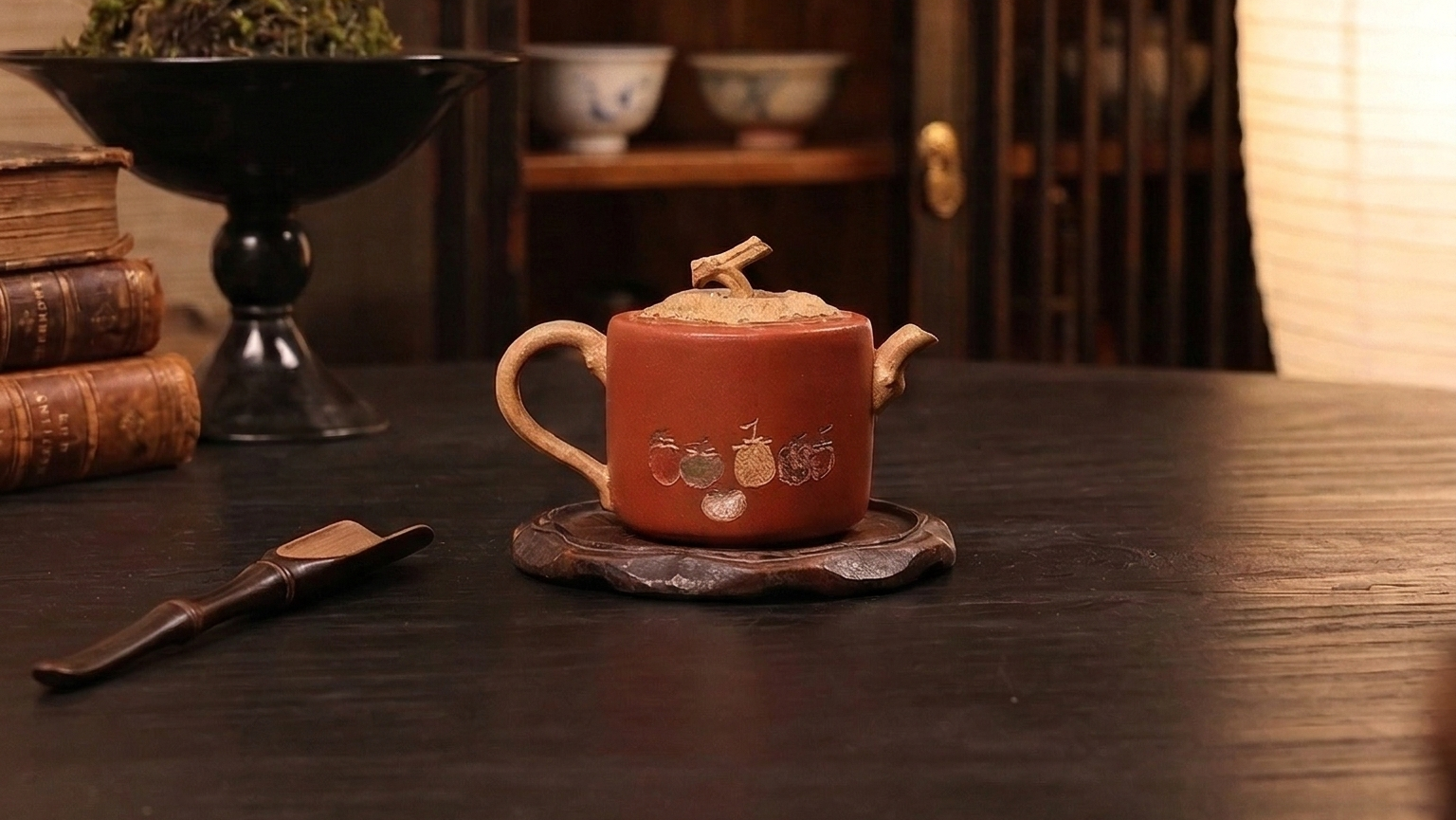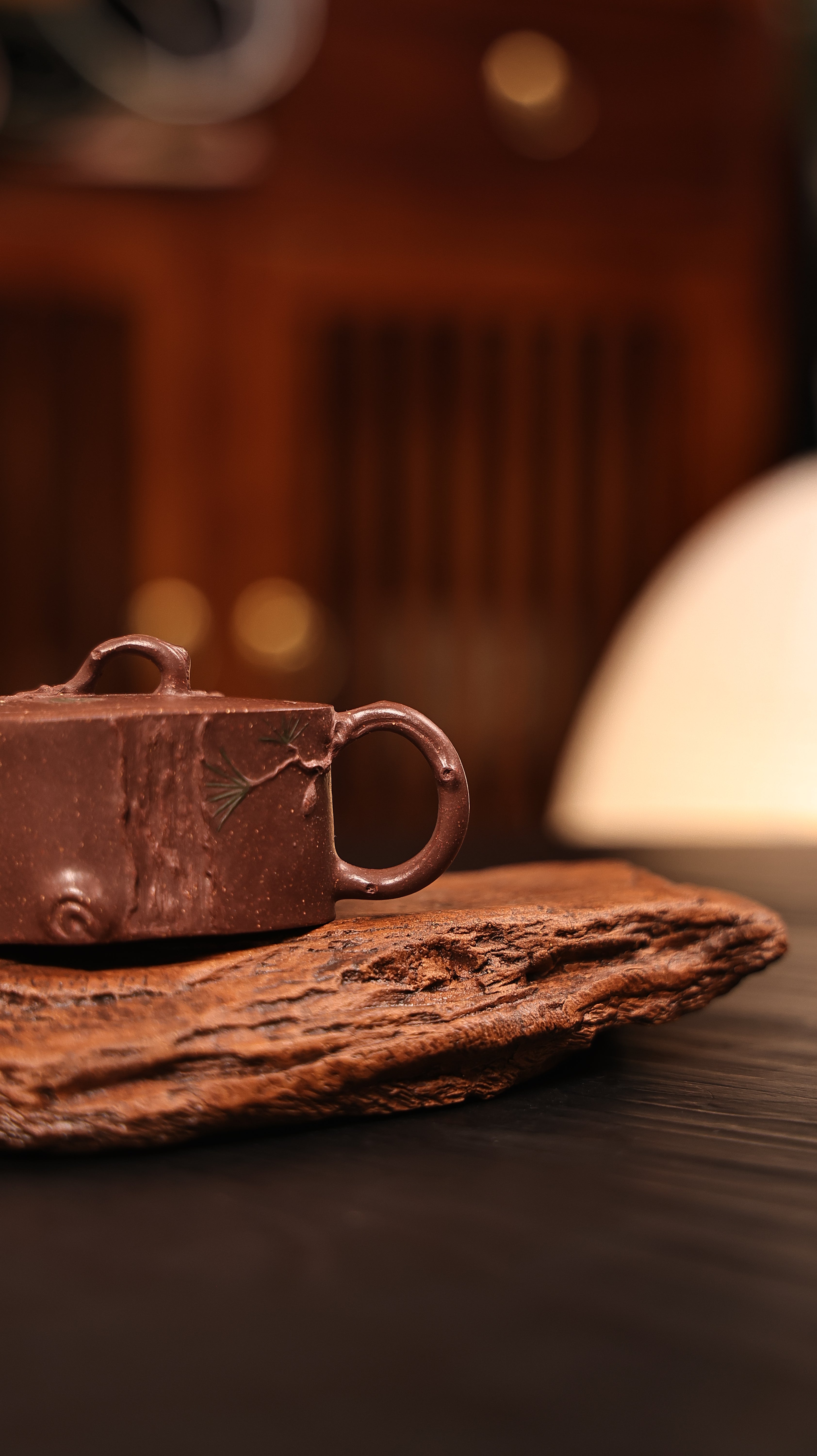
Eras in lovers have valued the exclusive charm of Yixing Zisha flasks. Hailing in the tranquil town of Yixing, the homeland, these urns are produced from a peculiar and sourced purple clay renowned for its exceptional thermal elements and efficacy to intensify the essence of infusions. Apart from their functional appeal, Zisha teapots express a deep artistic pedigree, resulting them exceptionally valued and a bona fide marvel for any devoted teapot lover.
Discovering Yixing Clay Pots
Traditional teapots embody a unusual unification of history and seasoned craftsmanship. Originating in Yixing, Jiangsu Locale of China, their narrative begins from the Ming Dynasty, although documentation suggest earlier expressions. The exclusive burgundy clay, called Zisha, found uniquely in the Yixing region, is the fundamental component, contributing to the pots' notable heat keeping and the manner they enhance the aroma of tea. Continuums of potters have developed techniques—often bestowed through families—including molding the clay, applying ornate embellishments, and firing the pots at specific temperatures.- Originally, Yixing teapots were often decorated with simple designs.
- Subsequently, more ornate carvings and representative motifs became popular.
- The baking itself is a critical element, requiring decades of skill.
Amassing Zisha Teapots: Essential Checkpoints
Setting out on a campaign to assemble Zisha pitchers can be fulfilling, but it’s vital to grasp what to examine. Authenticity is principal; focus on the component’s natural pigment, a muted reddish-brown is usual. Examine the texture; genuine Zisha has a particular tactile sensation, often described as slightly textured. The form should be pleasing and consistent with classic styles, while signatures, if present, require thorough examination for authenticity. Don’t shy away to consult with qualified collectors or dependable databases – their guidance is invaluable.
Traditional Clay Pots: Examining the Lineage of authentic Zisha Clay
Years have seen Yixing Yixing Clay teapots sustain a exceptional role in Chinese culture. These carefully constructed pots, sourced specifically from the locale of Yixing, are famous for their unique hue, surface, and their ability to develop the bouquet of decoctions. Scores of collectors collect antique Yixing teapots, coveting them extensively not only for their aesthetic magnificence, but also for the history they represent.
Yixing Zisha Teapots: This Premier Categories and Their Qualities
Yixing Pottery teapots, sourced from the authentic locale of Yixing, this nation, are renowned for their unique clay and outstanding brewing skills. Amid the different Zisha types, selected types that are highly esteemed include Zhuni. Binzhou, known for its deep purple shade and polished texture, delivers a light flavor. Duan Ni species, recognizable by its auburn color and a little grainy feel, is said to enhance tea’s heft. Lastly, Zhuni sort boasts an extraordinary scarlet tone and can impart a savory nuance. Each class presents a distinct experience, affording them exceptionally desirable for tea enthusiasts.
Understanding Individual Clay Teapot
To reveal the essence of your Yixing kettle, appreciating the correct way is vital. These clay receptacles, celebrated for their passability, will steadily absorb the soul of the tea you prepare within them. Begin by scraping the container thoroughly with warm water. Then, use only excellent broken leaf tea, as lower quality options can damage the premise’s delicate character. Always give the leaves to develop completely, and remember that with each brewing, your Yixing urn will become progressively appreciated.
Caring for Your Valuable Zisha Item
Proper care for your Zisha container is critical to securing its character and merit. Zisha clay, known Yixing Zisha Teapot for its unique cast and texture, requires attentive handling. Never use abrasive chemicals, as these can undermine the glaze. After every utilization, rinse the kettle with comfortably warm water and allow it to air out completely.
- Shun soaking the jar for extended durations.
- Sporadically use a soft rag to dress the exterior.
- Consider applying a thin layer of food-grade lubricant inside the urn after drying, which can prevent staining.
Basics of Yixing Clay Pots
Yixing containers, originating from the Yixing province in Jiangsu Province, located in China, are celebrated for their distinctive traits. Shaped from the unique purple clay known as Zisha, these kettles are prized by potion enthusiasts worldwide. This summary will simply explain the principles – covering forms of Zisha composite, popular shapes, and important care recommendations. Understanding the foundation of Yixing pitchers can enhance your appreciation for this traditional example of Oriental craftsmanship.
Trade of Asian Teapots: Concentrating on Zisha made in this city of Yixing
Zisha substance from Yixing represents the height of Zhongguo earthenware design, showing a exclusive compound of raw beauty and valuable artistry. These celebrated pieces are honored for their saturated color palettes, often ranging from dark purples and brown hues to gentle greys and pale beiges. The particular mineral composition of the regional Zisha earth imparts a typical texture and creates a agreeable aroma that improves the overall tea experience, affording them exceptionally wished-for collectibles and key components of any serious custom.