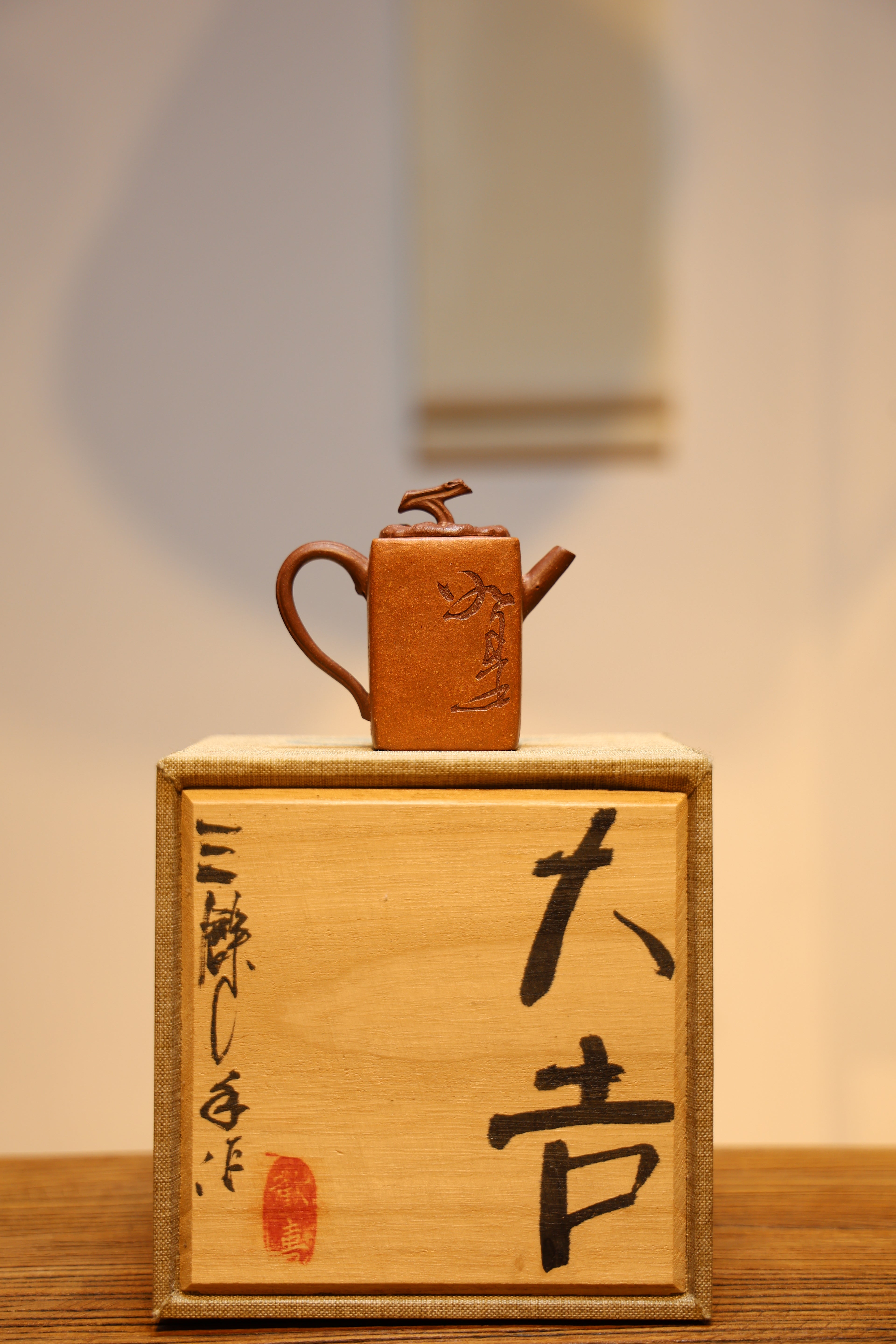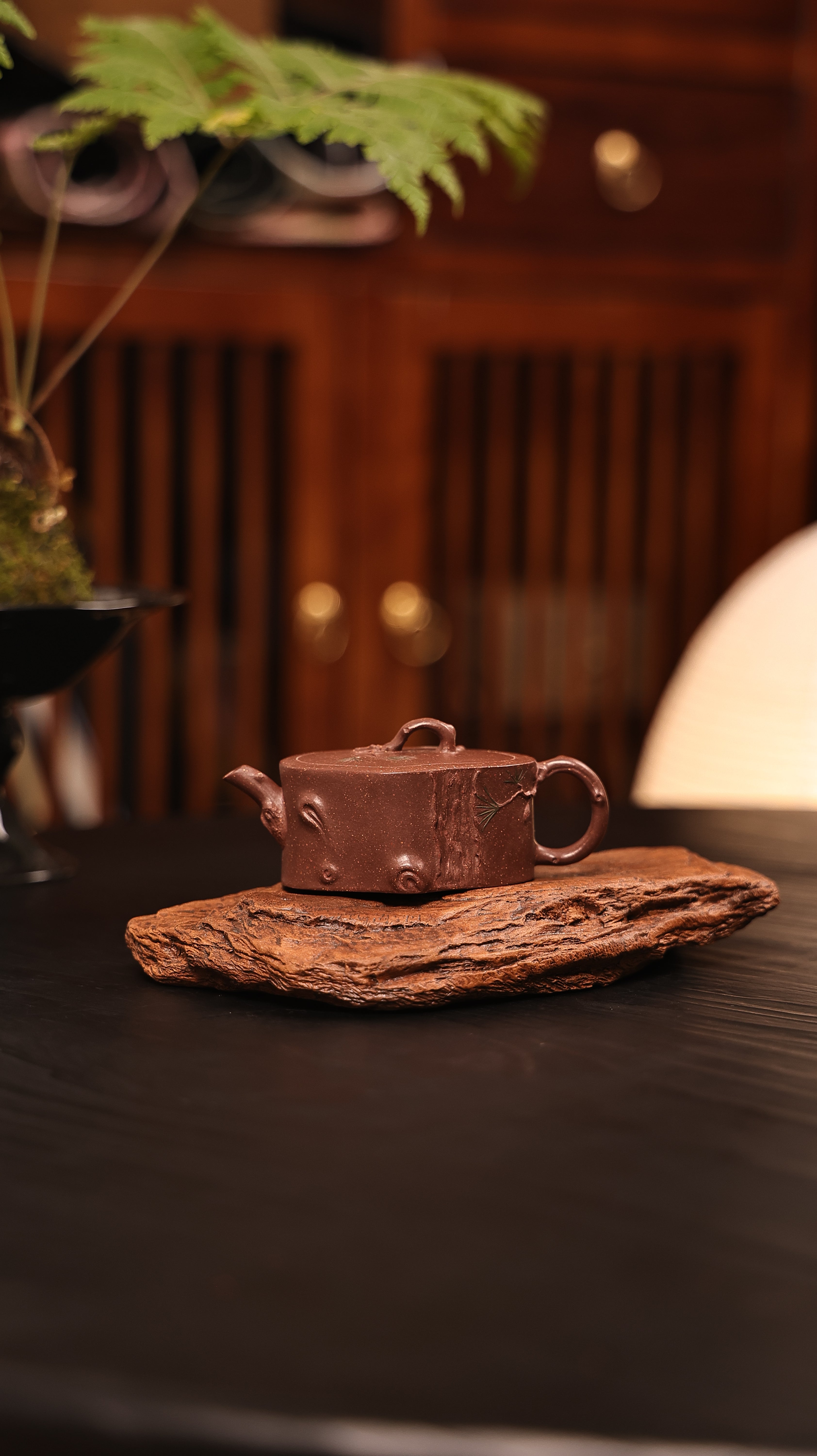
Within the sphere of enduring traditions,
Within ages, admirers have been mesmerized by the exceptional charm of Yixing Zisha pots. Originating from the province of Yixing in the eastern province, these implements are renowned for their prominent beauty, extraordinary clay, and congenital ability to enhance the flavor of the infusion. The earth's distinctive maroon hue, combined with the expert construction of native craftsmen, creates products that are equally functional designs and cherished holdings. Purchasing a Zisha teapot is more than just every purchase; it's accepting a rich heritage heritage.
Exploring Yixing Teapots: Background, Varieties, and Value
This Yixing teapots are a rich background deeply intertwined with Chinese culture. Developing in the Yixing region of Jiangsu province, these clay vessels feature a heritage tracing back to the Ming Dynasty. Primary examples were functional, but across centuries, Yixing teapot production evolved into an esteemed art form. The clay itself, known for its unique texture and ability to refine the flavor of the tea, lasts a defining factor. Yixing teapots emerge in various patterns, broadly categorized by shape: Traditional such as Zhuni (purple clay) and Bisheng, as well as more designs. The significance Zisha Teapot of a Yixing teapot rests on several factors, including the potter’s name, the age of the piece, the rarity of the clay, and its aesthetic quality.- Story: Old ages
- Earth: Various types
- Appraisal Elements: Age
Zisha Teapot Mastery: Art and Makers
Particular fabrication of a superior Zisha teapot is a detailed process, requiring long spans of skill. Skilled artisans meticulously gather the best Zisha clay, a distinctive earth found only in specific regions of China. Classic techniques, often handed down through families, involve precise shaping, fine carving, and slow firing in ancient stoves. The completed teapot isn't merely a utensil; it's a testament to aesthetic vision and the substantial connection between the maker and their lineage. Each object showcases the special touch of the craftsman, resulting in a truly rare work of expression.
Eastern Vessels: Surveying the Vast Institutions of Yixing City
Esteemed Yixing, nestled in Jiangsu the area, is globally renowned for its exceptional earthenware – a tangible representation of centuries of Chinese creative legacy. These aren't merely vessels for steeping tea; they are intricate works of expertise, often reflecting philosophical ideals. This unique purple clay, known as Zisha, possesses singular qualities: this material dense, open to air, and imparts a subtle nuance to the tea.
- Several lineages have honed the techniques of Yixing container making, passing down traditional methods through lineages.
- Admirers prize these pieces for their charm and uniqueness.
- A number of urn tells a tale, connecting the consumer to a rich background.
Entering Yixing Zisha: Important Factors
In the process of analyzing procuring Yixing Zisha teapots, various considerations call for careful inspection. In the first place, the clay’s tone is vital; authentic Zisha ordinarily exhibits a identifiable auburn hue. Furthermore, examine the artistry; clear markings and a elegant overlay demonstrate expert fabrication. To finish, examine the craftsman's standing; well-known names obtain superior rates and often afford a stronger yield.
Mastering Tea Brewing Using a Zisha Pot
Preparing delicious tea with a Zisha teapot is more outstripping a simple habit; it's an specialty. Zisha clay, noted for its unique natural composition, imparts a refined character to the prepared tea that’s often absent with other materials. The appropriate water intensity is necessary; typically, softer than what's used for black tea, to maintain the tea's fragrance and zest. Consider mindfully the tea class; delicate green teas or aged pu-erhs flourish from the Zisha’s ability to mellow their basic edge. It’s critical to preheat the teapot ahead of brewing, and to avoid over-steeping. Mastering this procedure leads to a veritably exceptional tea occasion.
- Understanding Zisha Clay
- Thermal Measure & Tea Category
- Criticality of Initial Heating
Maintaining Your Esteemed Earthenware
For the purpose of ensure the continuity of your beautiful Yixing earthenware, careful protection is essentially necessary. Eschew using chemical cleaners; instead, delicately purify it with lukewarm hydrous medium. Shun sudden variations; don't deposit the vessel directly onto a thermally active burner. Periodically, strengthen the kettle by processing it with premium specialty beverage, as this promotes to build its profile and defends the exclusive charm of the element.
Concerning Dirt to Vessel: The Development of a Yixing Utensil
A creation of a Zisha teapot is a intriguing approach, a demonstration to both the planet's bounty and the skill of the creator. It inaugurates with the selective extraction of the exceptional clay from the purple Zisha mines close to Yixing. This pure material, known for its exceptional attributes, is then methodically cleaned and shaped for the early forming. The bottle’s design is masterfully formed using a mix of classical sculpting practices, often incorporating complex motifs. Following aging, the vessel undergoes a essential first firing, accompanied by a dressing stage, which might involve countless layers of natural Zisha coatings. Finally, a second, and sometimes third, firing at elevated temperatures finishes the product, revealing its resolved beauty and exceptional characteristics - a genuine masterpiece, prepared to adorn a tea practice.
{Yixing Teapots: A Reflection of a Customary Practice and Appreciation
The Yixing region teapots, originating from the well-known Yixing region of Jiangsu province, are far more than mere receptacles for brewing elixirs; they represent a major aspect of Chinese civilization. Constructed from distinctive purple clay – zisha – these special teapots are highly admired for their ability to refine the flavor of the tea and, crucially, for their splendor. The annals of Yixing teapot making spans centuries, and the know-how involved is relayed through generations, making each teapot a cultural artifact that embodies lasting techniques and a profound appreciation for the pure pleasures in life.