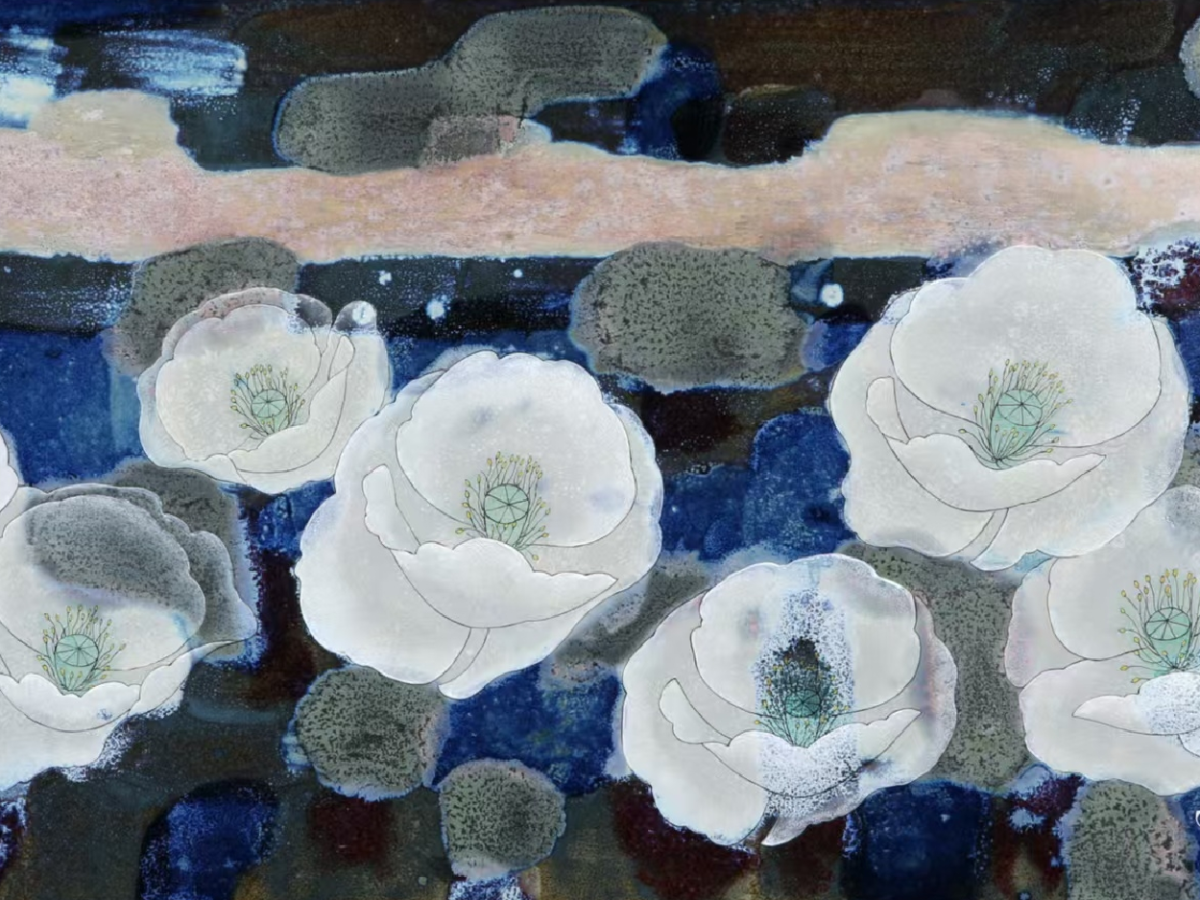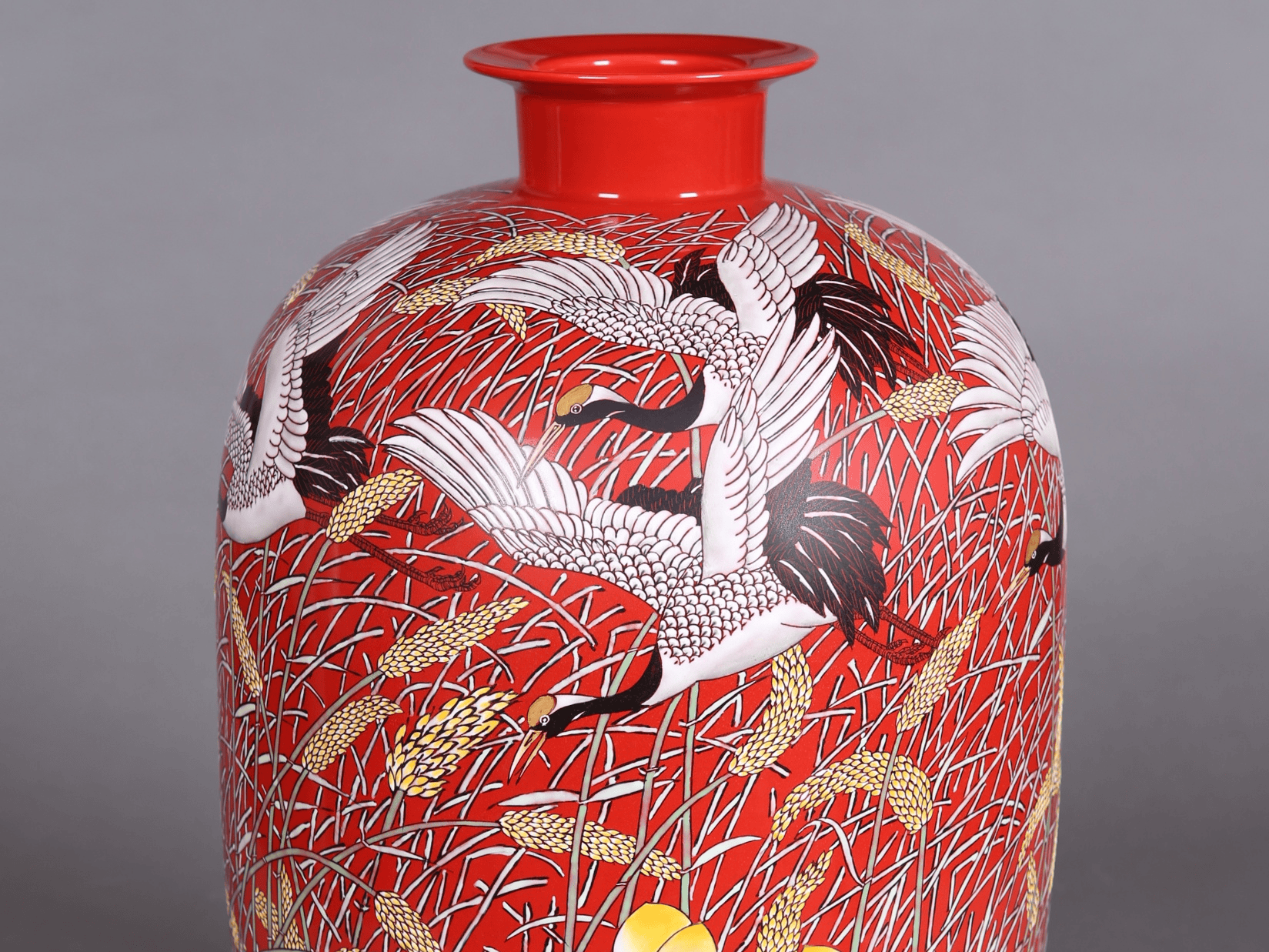
Brick form symbolizes a striking craft version with a expansive background, running back thousands of ages. From ancient jars to modern arrangements, the component offers unparalleled possibilities for creative demonstration. Builders employ multiple techniques – including assembling, wheel operating, and intricate firing processes – to convert humble terracotta into pleasing three-dimensional pieces. The resilience of fired stoneware also contributes to its status as a truly noteworthy part of human culture.
Investigating Terracotta Shield Configurations and Practices
The landscape of ceramic emblem design offers a wide array of innovative possibilities. Creators often apply a integration of ancestral and innovative techniques to create visually impressive pieces. These can extend from simple, molded reliefs to complex, multi-layered layouts. Standard methods include template molding, sculpting by hand, the glaze process – which can involve multiple modes like initial glaze painting, applying decoration after firing, and engraved motif where designs are disclosed by abrading a layer of enamel. More study into external finishes such as flash firing and gloss finish can generate truly remarkable and individualized pottery plaques.
- Mold Fabrication - Generating pieces using a design
- Artisanal Molding - Accurately crafting the dirt
- The glaze process - Applying the external area with a silky finish
- Engraved motif - Exposing designs by scraping surfaces
Entrancing Experiences: Porcelain Art Exhibits
The maturing landscape of visual arts presents exciting original avenues for audiences, and ceramic art installations are at the apex of this revolution. These aren't just static pieces; they are fabricated to envelop the participant in a sensory atmosphere. Imagine walking through a forest of towering, decorated ceramic trees, or navigating a web of delicate ceramic vessels. Many artisans are now incorporating music, luminescence, and even odor to enhance the sensation of their work. Visualize the power of a room filled with hundreds of carefully ceramic artifacts, each telling a chronicle. Frequently, such installations analyze themes of environment, heritage, and people.
- They installations blur the limits between sculpture and building.
- Witnessing a ceramic art installation can be a deeply profound journey.
- Creators are exploring the boundaries of what is doable with clay.
A Attractiveness of the Clay Holder: Purpose and Outline
The ceramic urn represents a distinctive fusion of convenience and aesthetic appeal. Historically, these urns served a elementary task in maintaining flowers, but their growth has transformed them into highly valued works of handiwork. Each item showcases the ability of the builder, demonstrating how configuration can be as pressing as use. The attentive shaping, the rare glazes, and the general presence of a exquisitely-finished vessel can enhance a space, offering both appeal and a gentle reminder of the artistic hand.
Present-day Terracotta Design : Extending Edges
Latest porcelain sculpture represents a fascinating departure from conventional practices. Artisans are intensely experimenting with innovative processes, dissolving the frontiers between design and different artistic mediums. From expansive installations to fine miniature pieces, aforementioned works analyze themes of background while concomitantly remaking the very of what clay can represent. The outcome is a vibrant world of imaginative representation.
Earthenware Inscription: Protecting Tradition in Earth
Clay plaques offer a remarkable method for memorializing significant events and figures. Compared to traditional metal or stone markers, these long-lasting pieces of craftsmanship are formed from fired clay, creating a tangible link to the olden times. Typically, they highlight intricate bas-reliefs or delicately designed imagery, expressing stories that might otherwise be ignored. Such technique, traceable to ancient civilizations, provides One Hundred Blooms a striking and timeless way to remember our collective tradition.
- Such can be situated in accessible spaces.
- A large number of are now acknowledged historical objects.
Clay Art Installations: Shifting Settings
Earthenware art installations are growing a meaningful medium for craftsmen to redefine public and private locations. These immersive projects frequently involve massive clay forms that draw viewers, transforming their experience of the developed environment. By integrating diverse processes like hand-building and advanced firing techniques, ceramic artists fashion truly uncommon experiences, dissolving the frontiers between creation and venue. The product is often a poignant conversion that enriches the creative quality of the setting and cultivates exchange.
From Rotating Wheel to Wonder: The Method of the Ceramic Jar
The journey of a ceramic jar from a simple lump of clay to a polished work of art is a testament to human talent. Classicall, the process initiates with the potter’s circular platform, where the talented artisan creates the spinning dirt into a cylindrical form. This primary section demands finesse and a perceptive eye, followed by a delicate drying period. Once initially cooked, the receptacle is ready for embellishment, which may engage designing intricate motifs, inscribing detailed vignettes, or incorporating a collection of textures. The ultimate cooking process then evolves the piece into a durable and remarkable jar, a tangible demonstration of the artisan's skill.
Shaping with Brick: A Introduction to Clay Expression
Plunging the world of clay work begins with studying the rudiments of sculpting with earthenware. Such system calls for meticulously assembling and chiseling material to construct three-dimensional items. Whether you're a learner or a proficient creator, exploring with distinct classes of clay – namely brick – will promote you identify your original signature. Conclusively, earthenware working is a fulfilling journey that connects skilled proficiency with innovative representation.