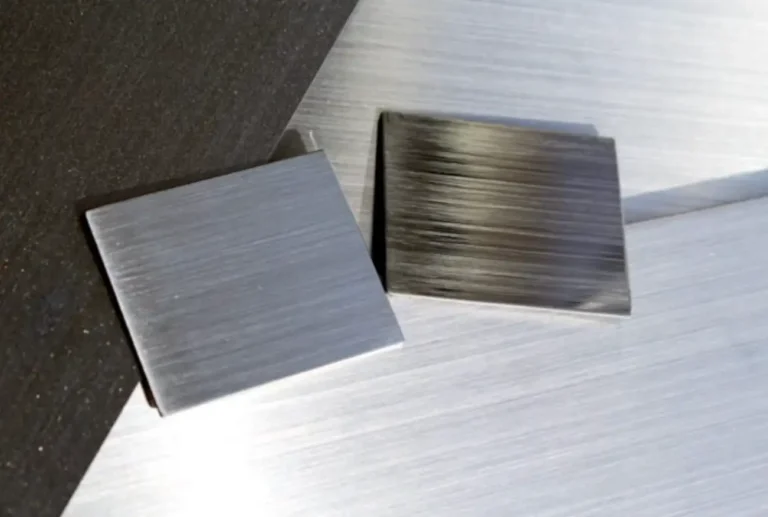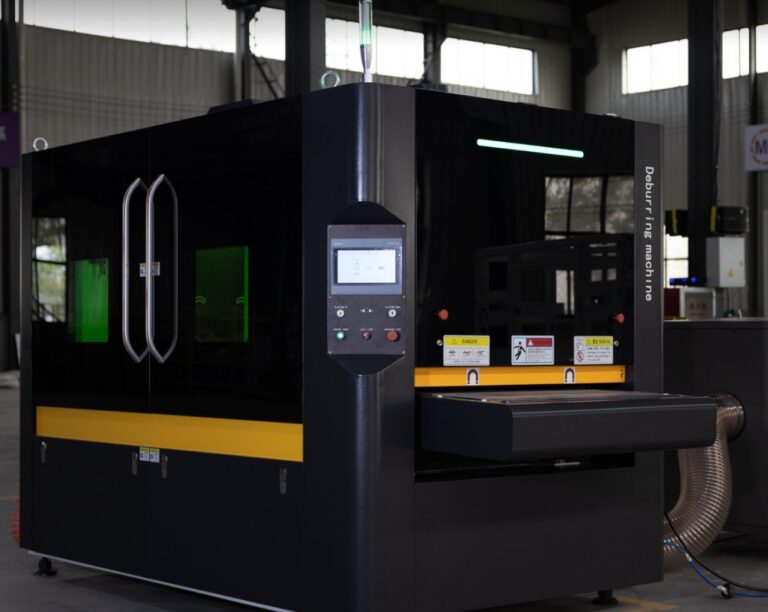
Commencing a thorough examination on programmable systems produced for deburring represent enhanced assembly methods, providing substantial improvements on rapidity and excellence. Our article explores the various types of equipment, consisting of brush-based tumbling tools, circular tools, and advanced numerical methods. We will cover the positives of employing these solutions, such as cut employment costs, higher output accuracy, and reinforced workshop performance.
Corner Polishing Apparatuses: Precision Finalizing Detailed
Perimeter deburring units offer a modern solution for delivering exact improving on components. Beyond manual techniques, these self-operating machines furnish consistent returns and decidedly raise construction productivity. The apparatuses often deploy mixed machining gadgets like diamond rotors, glossing drums, or tailored designs to eliminate sharp rims and defects. The activity is pivotal in a wide variety of domains, encompassing aerospace and electrical.- Refine coating finish
- Cut assembly spending
- Enhance productivity and efficiency
Waste Disposal Units: Ensuring Unblemished, Exceptional Surfaces
Contemporary metalworking operations regularly create significant amounts of waste, a byproduct that, if untreated, can severely harm the standard of the output. Fortunately, advanced byproduct management systems offer a steady solution. These optimized machines, employing techniques like scouring, are designed to painstakingly eliminate this unwanted material, ensuring a sterile and exceptional surface. The resulting upgrades include diminished rejection rates, augmented aesthetic appeal, and an overall rise in productivity. By utilizing modern slag removal technology, manufacturers can consistently deliver premium surfaces and meet stringent measures.
Thin Metal Surfacing: The Benefits of Deburring Equipment
Achieving a leading polish on sheet metal elements is vital for performance, and deburring mechanisms furnish considerable benefits over craft methods. Getting rid of burrs promptly not only improves the appearance quality of the article, but also minimizes potential complications during construction and operation. Furthermore, digital deburring procedures improve assembly pacedness and minimize personnel expenses.
Advancing Sheet Metal Production with Automatic Deburring
With the aim to enhance capacity in sheet metal production, utilize self-operating deburring systems. Old-fashioned deburring is frequently lengthy and likely to deviations. Adopting self-operating deburring affords weighty improvements, embracing minimized worker expenditures, superior output reliability, and boosted industrial efficiency. This commitments will efficiently pay off.Determining the Appropriate Deburring Device for Your Operation
Recognizing the optimal deburring tool for your dedicated needs can be a detailed assessment of several criteria. First, assess the sort of input you're processing – copper requires specific techniques than plastic. Afterward, review the proportions and geometry of the pieces needing edge smoothing. In the end, deliberate your manufacturing quantity; a mass operation entails a custom type of machine than a intermittent one. Overlooking to recognize these criteria possibly generates suboptimal results and additional investment.
Deburring Machine Technology: Movements and Discoveries
Contemporary burr elimination tool application is involved in rapid expansion, powered by the challenges for amplified detail and output in manufacturing functions. Central shifts comprise the melding of digital frameworks for scalable edge smoothing procedures, alongside innovations in surface treatment method. We're furthermore seeing a acceleration in small-scale finishing apparatuses intended for niche uses, and innovative systems like thermal burr elimination are attracting traction. The forecast implies towards amplified integration of deburring mechanisms within the intelligent facility environment.
Advancing Ferrous Component Strength with Contour Filleting
Many forming processes for copper parts introduce sharp edges, which can result in stress accumulations and fragilities that degrade overall stability. Contour rounding, a simple yet effective procedure, offers a straightforward solution. It requires slightly trimming the severe edges of a component during the assembly stage. This diminishes stress regions, boosts fatigue strength, and can avoid rupturing. Benefits are further amplified when dealing with intricate structures or parts subjected to significant force. Considerations include the ideal curvature of the fillet and its bearing on integration with other modules.
- Minimizes Stress Spots
- Improves Performance Effectiveness
- Eliminates Snapping
Residue Cleaning vs. Edge : Grasping the Discrepancies
While many operators use the titles “slag elimination” and “deburring” concurrently, they represent distinct procedures in metal assembly processes. Edge cleanup focuses on eliminating the sharp, often tiny, projections created during processing operations—these are excess debris of alloy left on the element. Byproduct purging, conversely, addresses a leftover – typically a fusion of flux – that develops during processes like melting. Essentially, deburring deals with subsidiary perimeters, while slag removal deals with this leftover of a unrelated function. Concluding, computerized deburring and impurity removal tools are indispensable components of Precision Grinding modern metal production that support high-quality finished products with reduced defects and improved efficiency.Concluding the review underlines the significant role of progressive automated deburring technologies in boosting manufacturing specifications and facilitating businesses secure augmented productivity and finish.